Fastest Way to Cook Beans Without Using Too Much Gas or Kerosene
Learn the fastest and most fuel-efficient ways to cook beans without wasting gas or kerosene. Discover tips, methods, and alternatives to cook beans quickly and save energy.

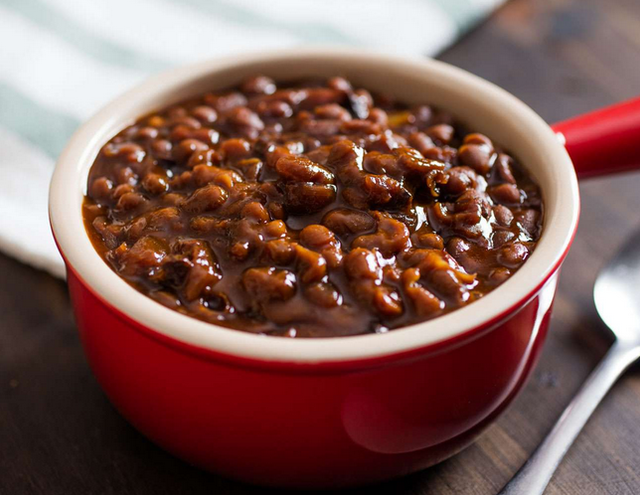
Cooking beans in a timely and energy-efficient way is essential, especially when you're trying to conserve fuel in your kitchen. Whether you’re a student on a tight budget or simply looking to cut down on gas consumption, learning the fastest way to cook beans without using too much gas or kerosene can save you both time and money.
In Nigeria, beans are a staple food, but cooking them traditionally can take a lot of time and gas. Luckily, there are methods that help you speed up the cooking process while being mindful of fuel usage. In this article, we will explore the fastest methods to cook beans efficiently, how to make beans soft quickly, and tips to save energy.
Why Beans Take Time to Cook
Beans, especially varieties like Oloyin or Brown Beans, have a tough outer layer, making them harder to cook. For most people, cooking beans involves boiling them for extended periods, which consumes both gas and time. Soaking beans beforehand and using the right cooking techniques can reduce both cooking time and fuel consumption significantly.
Best Methods for Cooking Beans Efficiently
1. The Pressure Cooker Method (Fastest and Most Fuel-Efficient)
The pressure cooker is hands-down the fastest and most fuel-efficient way to cook beans. By creating a high-pressure environment, the cooker softens the beans in a fraction of the usual time.
How to do it:
- Soaked Beans: Add soaked beans to the pressure cooker, cover with water (ensuring the pot is no more than half full), and cook for 7 to 15 minutes.
- Unsoaked Beans: For unsoaked beans, cook them for 20 to 30 minutes.
- Tip: After cooking, allow the pressure to release naturally (about 10–15 minutes) to ensure the beans are fully cooked and soft.
Why it works: The pressure cooker traps steam and heat, cooking beans faster without using as much fuel. This method saves up to 70% of cooking time compared to traditional boiling.
2. Pre-Soaking (Best for Gas Saving)
Soaking beans beforehand is another effective method for reducing cooking time and gas consumption.
How to do it:
- Overnight Soak: Soak beans in plenty of water for 8–12 hours (preferably overnight).
- Quick Soak: If you're short on time, bring the beans and water to a boil for 2–3 minutes, then remove from heat, cover, and let them sit for 1 hour.
- Crucial Step: After soaking, always drain and rinse the beans to remove compounds that cause gas in the digestive system.
Why it works: Soaking beans softens their outer skin and reduces cooking time by up to 50%, meaning you’ll use less gas or kerosene to cook them.
3. Add Baking Soda for Faster Cooking
Baking soda can help soften beans much faster by weakening the beans' outer skin.
How to do it:
- Add a pinch of baking soda (about 1/4 teaspoon per pound of beans) to the soaking or cooking water.
Why it works: Baking soda helps beans cook faster by altering the pH level of the water, which breaks down the beans' tough outer layer more quickly.
4. Avoid Acidic Ingredients Early in Cooking
While tomatoes, lemon juice, and vinegar can enhance the flavor of beans, they can also slow down the cooking process. Adding these ingredients early on can make the beans take longer to soften.
How to do it:
- Wait until the beans are fully cooked before adding acidic ingredients like tomatoes or lemon juice.
Why it works: Acidity can harden the beans, so avoid adding it until the beans are tender to prevent the cooking time from doubling.
5. Start with Hot Water
Always begin cooking beans with hot water, not cold water.
How to do it:
- Boil water separately before adding it to the beans.
Why it works: Starting with hot water reduces the initial cooking time, as it eliminates the need for the water to reach boiling point.
6. Pre-Boil and Retain Heat
If you don't have a pressure cooker, a great method to reduce gas usage is to pre-boil the beans, then let them soak in the hot water.
How to do it:
- Bring the beans to a boil for about 5 minutes.
- Turn off the heat, cover the pot, and let it sit for 1 hour. The beans will continue to cook in the hot water.
- After 1 hour, resume cooking the beans for another 15 minutes.
Why it works: By turning off the heat early and using residual heat, you save both time and gas while still achieving tender beans.
7. Thermal Cookers/Haybox Cooking (Zero Gas Use)
For a completely gas-free method, thermal cookers (or Haybox cooking) are an excellent option. After boiling the beans for a few minutes, you can place the pot in an insulated box or wrap it in thick blankets, which will keep the heat in and continue cooking the beans without any additional fuel.
How to do it:
- Boil the beans for 5–10 minutes.
- Place the pot inside a thermal cooker or wrap it in blankets.
- Let it sit for 1–2 hours.
Why it works: The trapped heat continues to cook the beans, without any need for gas or kerosene.
8. Charcoal or Firewood Stove (Alternative Fuel Source)
If you're looking to save on gas or kerosene, using a charcoal or firewood stove can be an effective alternative. While these methods are not as fast, they are much more economical and can be used to slow-cook beans without relying on gas.
Summary Recommendation
For the fastest and most fuel-efficient method, soak your beans overnight, then use a pressure cooker for 10–15 minutes. This method ensures beans are cooked quickly while minimizing gas or kerosene usage. If you don't have a pressure cooker, the pre-boiling and heat retention method is also a great option.
FAQs
How do I make beans soft quickly without wasting gas?
The fastest way is to use a pressure cooker. Soaking the beans beforehand (overnight or with a quick soak) also reduces cooking time, saving you both gas and time.
What can I add to beans to make them cook faster?
Adding a pinch of baking soda to the cooking water helps soften the beans faster by breaking down the skin. Avoid adding acidic ingredients like tomatoes until the beans are fully cooked.
How can I cook beans faster in Nigeria?
To cook beans faster in Nigeria, soak them overnight, then use a pressure cooker for 10–15 minutes. Alternatively, you can use the pre-boil and heat retention method to save on gas.
How do I cook beans without wasting gas?
Soaking beans beforehand and using a pressure cooker are the best ways to reduce cooking time and minimize gas consumption. You can also use thermal cookers or cook with hot water to save fuel.
Are there any side effects of using potash (kaun) in beans?
Potash (kaun) is commonly used in Nigeria to speed up the cooking process, but excessive use may affect the body. It can lead to an increase in potassium levels, which may be harmful to individuals with kidney problems. Always use it in moderation.
About the Author
Mohammad-Jamiu B. Balogun, GMNSE
AI Security Researcher · Founder, MonoEd Africa
Mohammad-Jamiu is a First-Class Telecommunications Engineer and Best Graduating Student (BUK), and an AI security researcher. He founded MonoEd Africa to give Nigerian students AI-powered academic tools — from SIWES logbooks to final year projects. His work has reached over 10,000 students across Nigeria.