How to Learn Coding as a Nigerian Student for Free (2026 Guide)
Learn how to start coding for free as a Nigerian student in 2026 using freeCodeCamp, CS50, The Odin Project, GitHub Student Developer Pack, VS Code, Replit, and other beginner-friendly resources.

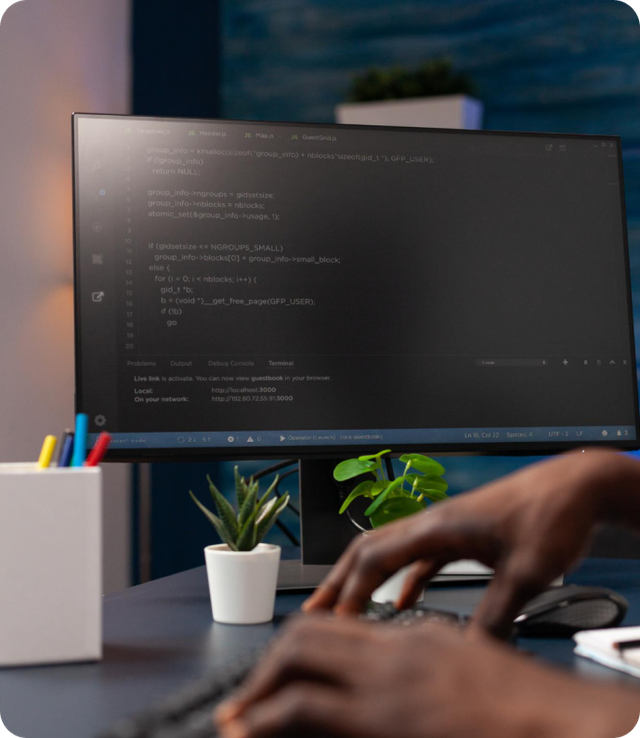
Technology continues to create some of the most exciting career opportunities in Nigeria and around the world. Whether you want to become a software engineer, data analyst, cybersecurity specialist, AI engineer, or freelancer, learning to code is one of the most valuable skills you can develop.
The good news is that you do not need to spend hundreds of thousands of naira on expensive bootcamps to get started. Today, there are excellent free resources that can teach you programming from beginner to job-ready level if you stay consistent and practice regularly.
In this guide, you'll learn the best free coding platforms, the tools you need, a beginner roadmap, and practical tips for learning while balancing university life.
Quick Summary
If you're starting from scratch, here's the simplest roadmap:
- Learn HTML and CSS first if you want to build websites.
- Learn Python if you're interested in automation, AI, or data analysis.
- Use freeCodeCamp or CS50 as your main learning platform.
- Practice coding every day, even if it's only for 30 minutes.
- Build projects and upload them to GitHub.
- Join Nigerian tech communities for mentorship and networking.
Consistency matters far more than learning everything at once.
Why Every Nigerian Student Should Learn Coding
Coding is no longer limited to computer science students.
Students studying engineering, business, economics, medicine, accounting, statistics, agriculture, and even the humanities are using programming to solve problems and improve their career prospects.
Learning to code can help you:
- Build websites and mobile apps
- Analyze data
- Automate repetitive tasks
- Freelance online
- Qualify for internships
- Work remotely for international companies
- Build your own startup or digital product
Even basic programming knowledge can make you more competitive in today's job market.
Best Free Platforms to Learn Coding
Instead of jumping between random YouTube videos, choose one structured platform and complete it.
1. freeCodeCamp
freeCodeCamp is one of the best places to learn coding for free.
It offers complete learning paths for:
- HTML
- CSS
- JavaScript
- Responsive web design
- APIs
- Python
- Data analysis
- Machine learning
Every lesson includes practical exercises and projects that reinforce what you've learned.
Best for: Complete beginners who want a structured curriculum.
2. CS50 by Harvard University
CS50 is one of the world's most popular introductory computer science courses.
Instead of focusing on one programming language, it teaches:
- Problem solving
- Algorithms
- Programming fundamentals
- Data structures
- Software development principles
Although challenging, CS50 gives you a strong foundation that makes learning other languages much easier.
Best for: Students who want a deeper understanding of programming.
3. The Odin Project
If your goal is web development, The Odin Project is an excellent choice.
Unlike many online courses, it emphasizes building real projects instead of simply watching videos.
You'll learn:
- HTML
- CSS
- JavaScript
- Git
- GitHub
- Node.js
- React
By the end of the curriculum, you'll have a portfolio of projects to showcase your skills.
Best for: Future frontend and full-stack developers.
4. Khan Academy
Khan Academy offers beginner-friendly programming lessons with interactive exercises.
It is especially useful for younger students or complete beginners who want simple explanations before moving to more advanced platforms.
5. Coursera and edX
Many universities publish free programming courses on Coursera and edX.
Although certificates may require payment, you can often audit courses for free and access the learning materials without paying.
Essential Free Coding Tools
Learning coding does not require expensive software.
These free tools are enough to get started.
Visual Studio Code
Visual Studio Code (VS Code) is one of the world's most popular code editors.
It supports almost every programming language and has thousands of useful extensions.
Use it for:
- Web development
- Python
- Java
- C++
- JavaScript
- React
GitHub
GitHub helps you store your code online and track your progress.
Recruiters often ask for GitHub portfolios because they want to see your projects rather than just your certificates.
Try uploading every project you build, even the small ones.
GitHub Student Developer Pack
If you have a valid university email or can verify your student status, you may qualify for the GitHub Student Developer Pack.
It provides free access to premium developer tools, cloud services, learning platforms, and software that would normally cost hundreds of dollars.
Apply for it as soon as you become eligible.
Replit
Replit lets you write and run code directly in your browser.
This is especially useful if your laptop has limited storage or you are using a public computer.
It supports dozens of programming languages and makes sharing projects easy.
Figma
Although not a coding tool, Figma is useful for students interested in frontend development or UI/UX design.
Learning basic interface design can make your projects look much more professional.
Which Programming Language Should You Learn First?
The best programming language depends on your goals.
Learn HTML, CSS, and JavaScript if you want to:
- Build websites
- Become a frontend developer
- Become a full-stack developer
- Build web applications
Learn Python if you want to:
- Analyze data
- Work in artificial intelligence
- Automate tasks
- Learn machine learning
- Build backend applications
Learn SQL if you want to:
- Work with databases
- Become a data analyst
- Build business intelligence skills
Learn Java or Kotlin if you want to:
- Develop Android applications
- Build enterprise software
A Beginner Coding Roadmap
Trying to learn everything at once is one of the biggest mistakes beginners make.
Instead, follow a simple roadmap.
Month 1
- Learn computer basics
- Understand how programming works
- Learn HTML
- Learn CSS
Month 2
- Learn JavaScript or Python
- Practice simple exercises daily
Month 3
Build small projects such as:
- Calculator
- Personal portfolio website
- To-do list
- Student timetable app
- Quiz app
Months 4 to 6
- Learn Git and GitHub
- Improve your projects
- Learn APIs
- Deploy your projects online
After six months of consistent practice, many students have enough experience to begin applying for internships or freelance opportunities.
Build Projects Instead of Collecting Certificates
Many beginners spend months watching tutorials without creating anything.
The fastest way to improve is to build projects.
Ideas include:
- Student CGPA calculator
- School fee tracker
- Expense tracker
- Library management system
- Student attendance app
- Weather application
- Blog website
- Portfolio website
Projects teach problem-solving skills that employers value.
Join Nigerian Tech Communities
Learning alone can become difficult.
Joining a community helps you stay motivated, ask questions, and meet experienced developers.
Popular communities include:
- Google Developer Groups (GDG)
- She Code Africa
- Microsoft Learn Student Ambassadors
- Google Developer Student Clubs (where available)
- Facebook and Discord programming communities
- Local university coding clubs
These communities regularly organize workshops, hackathons, and networking events.
How to Stay Consistent While in School
Balancing coding with lectures can be challenging.
A simple weekly schedule might look like this:
- Monday to Friday: 30 to 60 minutes of coding each day
- Saturday: Build or improve a project
- Sunday: Review what you learned and plan the next week
Even one hour a day can produce significant progress over a year.
Common Mistakes Beginners Make
Avoid these common mistakes:
- Learning multiple programming languages at the same time
- Watching tutorials without practicing
- Quitting after the first difficult topic
- Ignoring Git and GitHub
- Copying code without understanding it
- Comparing your progress with experienced developers
Learning programming is a marathon, not a sprint.
FAQs
Can I really learn coding for free in Nigeria?
Yes. Platforms such as freeCodeCamp, CS50, The Odin Project, and Khan Academy provide enough high-quality content to help beginners become skilled programmers without paying for expensive courses.
Do I need a laptop to learn coding?
A laptop provides the best experience, but you can begin with a smartphone using browser-based tools and programming apps while saving for a computer.
Which programming language should I learn first?
For most beginners, HTML, CSS, and JavaScript are ideal for web development, while Python is an excellent choice for general programming, automation, and data science.
How long does it take to become good at coding?
With consistent practice of 30 to 60 minutes daily, many students become comfortable with the basics within three to six months. Becoming job-ready often takes six to twelve months of project-based learning.
Is freeCodeCamp enough?
freeCodeCamp provides an excellent foundation, but combining it with CS50, GitHub, project building, and participation in tech communities will help you progress faster.
Can I get a remote job after learning coding?
Yes. Many Nigerian developers work remotely for local and international companies. Building strong projects, maintaining an active GitHub profile, and developing practical skills are often more important than having formal certifications.
Conclusion
Learning to code can open doors to internships, remote jobs, freelancing opportunities, and entrepreneurship. You do not need expensive courses or advanced equipment to get started. What matters most is choosing one learning path, practicing consistently, and building real projects.
Start with a free platform like freeCodeCamp or CS50, learn one programming language well, and commit to coding regularly. Small, consistent progress each week will take you much further than trying to learn everything at once.
The best time to start was yesterday. The next best time is today.
About the Author
Mohammad-Jamiu B. Balogun, GMNSE
AI Security Researcher · Founder, MonoEd Africa
Mohammad-Jamiu is a First-Class Telecommunications Engineer and Best Graduating Student (BUK), and an AI security researcher. He founded MonoEd Africa to give Nigerian students AI-powered academic tools — from SIWES logbooks to final year projects. His work has reached over 10,000 students across Nigeria.