How to Use ChatGPT for Research Without Getting Flagged by Turnitin (Ethical 2026 Guide)
Learn how to use ChatGPT for research ethically and effectively. Discover what Turnitin can detect, best practices for academic writing, and how to use AI without compromising originality.

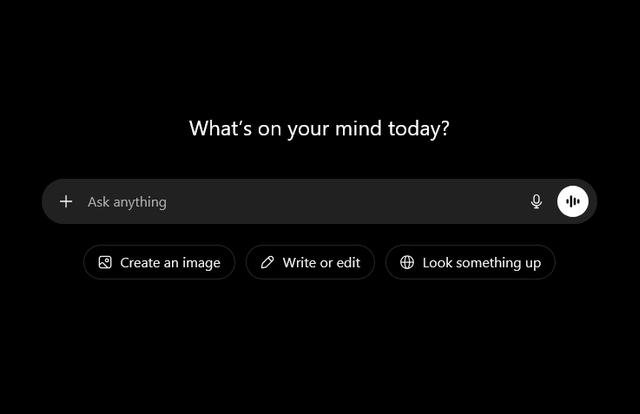
Many students ask the same question: "How can I use ChatGPT for research without getting caught by Turnitin?"
The short answer is simple.
Use ChatGPT as a research assistant, not as a replacement for your own thinking and writing.
The biggest mistake students make is copying AI generated text directly into assignments, projects, dissertations, or journal papers. Not only can this create academic integrity issues, but it often produces weak academic work that lacks original analysis, critical thinking, and proper citations.
The most effective approach is to use ChatGPT to support your research process while ensuring the final work reflects your own understanding, writing style, and academic effort.
Quick Summary
You can use ChatGPT safely for research by brainstorming ideas, creating outlines, understanding difficult concepts, generating research questions, and improving drafts you have already written. Avoid copying AI generated text directly into academic work. Instead, verify information, use credible sources, cite properly, and write in your own voice. The goal is not to avoid detection systems but to produce original, high quality research.
📙 Final Year Project Tools 🔥
FYP Report Generator — Generate full project chapters and citations.
Project Topic Generator — Get supervisor-ready project topics instantly.
Proposal Generator — Generate Chapters 1–3 with literature review, methodology, and academic citations in minutes.
Reference Verifier — Quickly verify citations by checking authors, year, and DOI before submission.
Research Paper Finder — Find relevant academic papers for your final year project.
Can Turnitin Detect ChatGPT?
Many students believe Turnitin works like a plagiarism checker that simply compares text against internet sources.
Modern academic integrity systems do more than that.
They may analyze writing patterns, compare submissions, identify copied material, and use various methods to estimate whether content appears machine generated.
However, no AI detection system is perfect.
False positives and false negatives can occur. Because of this, institutions increasingly focus on the overall quality, originality, sources, and authenticity of student work rather than relying solely on AI scores.
The safest strategy is not trying to beat detection tools.
The safest strategy is creating genuinely original work.
The Right Way to Use ChatGPT for Research
ChatGPT can be extremely useful during nearly every stage of a research project.
1. Use ChatGPT to Understand Your Topic
Many students struggle at the beginning of a project because they do not fully understand the topic.
Instead of asking ChatGPT to write your project, ask questions such as:
- Explain this topic in simple terms.
- What are the major theories related to this subject?
- What are common debates in this field?
- What keywords should I search for?
This helps you build understanding before you begin writing.
2. Use ChatGPT to Generate Research Ideas
One of the hardest parts of research is narrowing down a topic.
ChatGPT can help generate:
- Research topics
- Research questions
- Project ideas
- Problem statements
- Research gaps
For example, a student researching artificial intelligence in education could ask for emerging research areas that have not been extensively studied.
The final topic selection should still be based on academic relevance and supervisor approval.
3. Use ChatGPT to Create an Outline
Creating a structure before writing saves time and improves quality.
ChatGPT can help develop outlines for:
- Research proposals
- Literature reviews
- Seminar papers
- Final year projects
- Dissertations
A good outline acts as a roadmap and helps organize your ideas logically.
4. Use ChatGPT to Find Keywords for Literature Searches
ChatGPT can suggest related keywords, synonyms, and search terms.
This can improve your searches on:
- Google Scholar
- Research databases
- University libraries
- Academic journals
Better keywords often lead to better sources.
5. Use ChatGPT to Summarize Difficult Concepts
Academic papers can be difficult to understand, especially for students entering a new field.
You can paste short excerpts or discuss concepts and ask for explanations in simpler language.
This should support your learning rather than replace reading the actual source material.
6. Use ChatGPT to Improve Your Draft
One of the best uses of ChatGPT is improving work you have already written.
For example, you can ask it to:
- Improve clarity
- Correct grammar
- Simplify complex sentences
- Improve flow between paragraphs
- Check for repetition
The original ideas and content should still come from you.
What You Should Not Do
Many students run into problems because they misuse AI tools.
Avoid the following practices:
Copying AI Generated Text Directly
Directly submitting AI generated content as your own work creates academic risks and often results in lower quality research.
Using Fake Citations
ChatGPT sometimes generates citations that look real but do not exist.
Always verify every source manually.
Never cite a source you have not personally checked.
💡 You can read on: 15 Free Websites to Download Journals and Research Papers for Students
Relying on AI Instead of Reading Sources
Research requires engagement with actual literature.
ChatGPT should complement reading, not replace it.
Asking AI to Write an Entire Thesis or Dissertation
Large academic projects require original analysis, methodology decisions, interpretation of findings, and critical thinking.
These are areas where your own contribution matters most.
Why Writing in Your Own Voice Matters
One reason instructors can sometimes identify AI generated work is that it often lacks personal understanding and subject specific insight.
When you write based on your own research:
- You explain concepts differently.
- You connect ideas in unique ways.
- You reference sources you actually read.
- You include examples relevant to your context.
This naturally produces more authentic academic writing.
A Practical Workflow for Students
Here is a simple workflow that works well for most research projects:
Step 1
Use ChatGPT to understand the topic and generate ideas.
Step 2
Search for academic sources independently.
Step 3
Read and take notes from credible literature.
Step 4
Create your own outline.
Step 5
Write the first draft yourself.
Step 6
Use ChatGPT to improve grammar, clarity, and structure.
Step 7
Verify all citations and references.
Step 8
Proofread before submission.
Following this process allows you to benefit from AI while maintaining academic integrity.
The Future of AI in Research
Artificial intelligence is becoming a normal part of academic work.
Researchers, lecturers, postgraduate students, and professionals increasingly use AI tools to improve productivity.
The important distinction is how these tools are used.
Students who use AI to learn, organize ideas, and improve writing gain valuable benefits.
Students who use AI to replace learning often produce weaker work and miss opportunities to develop critical skills.
Conclusion
ChatGPT can be one of the most valuable tools available to students and researchers when used correctly.
The goal should not be avoiding detection systems or finding ways around academic policies. Instead, focus on using AI to learn faster, think more clearly, organize research efficiently, and improve the quality of your writing.
When ChatGPT supports your research process rather than replacing it, you can save time, deepen your understanding, and produce stronger academic work while maintaining originality and academic integrity.
FAQs
Can Turnitin detect ChatGPT generated text?
Turnitin and similar tools may attempt to identify AI generated writing, but detection systems are not perfect. The best approach is to create original work rather than relying on AI generated text.
Is it acceptable to use ChatGPT for research?
In many cases, yes. ChatGPT can be used for brainstorming, outlining, understanding concepts, and improving drafts. However, students should follow their institution's policies regarding AI use.
Can I use ChatGPT to write my literature review?
ChatGPT can help organize ideas and explain concepts, but you should read sources yourself and write the literature review in your own words.
Can ChatGPT generate references?
It can generate references, but they are not always accurate. Always verify citations manually before using them.
What is the safest way to use ChatGPT in academic work?
Use it as a research assistant for learning, planning, outlining, and editing while ensuring the final content reflects your own understanding and writing.
Does paraphrasing AI generated text make it acceptable?
Simply rewording AI generated content does not necessarily make it original. Academic work should demonstrate your own analysis, understanding, and engagement with sources.
Should I disclose AI use in my assignment?
Follow your institution's guidelines. Some universities encourage disclosure, while others have specific rules regarding acceptable AI use.
About the Author
Mohammad-Jamiu B. Balogun, GMNSE
AI Security Researcher · Founder, MonoEd Africa
Mohammad-Jamiu is a First-Class Telecommunications Engineer and Best Graduating Student (BUK), and an AI security researcher. He founded MonoEd Africa to give Nigerian students AI-powered academic tools — from SIWES logbooks to final year projects. His work has reached over 10,000 students across Nigeria.