How to Write a Good Introduction for a Research Paper (With Examples)
Learn how to write a good introduction for a research paper with clear steps and examples. This guide explains the structure, tips, and sample introductions for students.

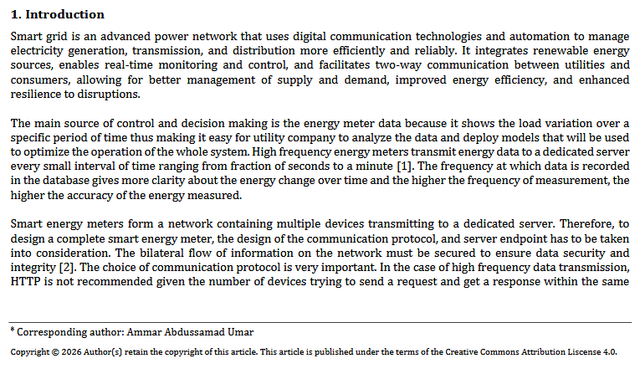
The introduction is one of the most important sections of a research paper. It is the first part readers see, and it determines whether they will continue reading your work.
A strong research paper introduction explains the topic, provides background information, identifies the research problem, and presents the main objective of the study.
In simple terms, the introduction answers three key questions:
- What is the research about?
- Why is the topic important?
- What does the research aim to achieve?
This guide explains how to write a research paper introduction step by step, including clear examples that students can follow.
What Is a Research Paper Introduction?
A research paper introduction is the opening section that introduces the topic and prepares the reader for the rest of the paper.
It usually moves from general information to a specific research focus.
Most introductions follow a funnel structure:
- Start with a broad topic
- Provide background information
- Identify a research gap or problem
- State the purpose of the study
- Present the research question or thesis
This structure helps readers understand the importance of the research and how the study contributes to existing knowledge.
💡 Read on: How to Write a Research Paper Step by Step for Beginners (Complete Guide)
Why the Introduction Is Important in a Research Paper
The introduction plays several important roles in academic writing.
A strong introduction:
- Captures the reader’s attention
- Provides context for the study
- Explains why the research matters
- Identifies gaps in previous research
- Presents the research objective or thesis statement
Without a clear introduction, readers may struggle to understand the purpose and significance of the research.
How to Write a Research Paper Introduction (Step by Step)
Writing an introduction becomes much easier when you follow a clear process.
Step 1: Start With a Hook
The first sentence should grab the reader’s attention and introduce the topic.
This is often called a hook.
A hook can be:
- A surprising statistic
- An interesting fact
- A relevant question
- A short statement about the problem
Example:
The rapid growth of social media has significantly changed how young people communicate and interact in modern society.
This sentence introduces the topic and encourages readers to learn more.
Step 2: Provide Background Information
After the hook, give readers some context about the topic.
This may include:
- Key definitions
- Previous research findings
- Important trends or developments
- Basic information needed to understand the topic
The goal is to help readers understand the research area before narrowing down to the specific problem.
Example:
Over the past decade, platforms such as Instagram, TikTok, and Snapchat have become central to adolescent communication. Studies have shown that teenagers spend several hours daily on social media platforms, raising concerns about potential effects on academic performance and mental health.
Step 3: Identify the Research Problem or Gap
Next, explain what is missing or unclear in existing research.
This step shows why your research is necessary.
You can introduce the gap using phrases like:
- However, little research has examined…
- Despite these findings, few studies have explored…
- Previous studies have focused on X but overlooked Y.
Example:
However, despite extensive research on social media usage, limited studies have explored how excessive social media engagement affects academic productivity among university students.
Step 4: State the Purpose of the Study
After identifying the research gap, clearly explain what your research aims to do.
This is usually expressed as:
- A research objective
- A research question
- A thesis statement
Example:
This study examines the relationship between social media usage and academic performance among university students.
This sentence clearly states the purpose of the research.
Step 5: Present Your Thesis or Research Question
Finally, conclude the introduction with a thesis statement or research question that guides the paper.
Example thesis statement:
This paper argues that excessive social media use negatively affects academic performance by reducing study time and increasing distractions.
Example research question:
How does daily social media usage influence the academic performance of university students?
This final sentence helps readers understand the direction of the paper.
Research Paper Introduction Structure
Most research paper introductions follow this structure:
- Hook or opening sentence
- Background information
- Review of existing research
- Research gap or problem
- Research objective or thesis
Using this structure ensures your introduction flows logically from general ideas to your specific study.
Research Paper Introduction Example
Below is a simple example of a research paper introduction.
Example Topic: Remote Work and Productivity
In recent years, remote work has become increasingly common across many industries. Advances in digital technology and global events such as the COVID-19 pandemic have accelerated the adoption of flexible work arrangements. While some studies suggest that remote work improves employee productivity and job satisfaction, others argue that it may reduce collaboration and increase employee burnout. Despite growing interest in this topic, limited research has examined how remote work affects productivity across different industries. This study investigates the relationship between remote work and employee productivity in the technology sector.
This example demonstrates the funnel approach:
- Topic introduction
- Background information
- Research debate
- Research gap
- Study objective
OR
In recent years, remote work has rapidly become a standard practice for many organizations worldwide. Advances in digital communication technologies and the global shift toward flexible working arrangements have significantly changed traditional workplace structures. Early studies suggested that remote work could increase employee productivity and job satisfaction. However, recent research has raised concerns about potential challenges such as employee burnout and reduced collaboration.
Despite growing interest in remote work, limited research has examined how productivity outcomes vary across different industries. This study investigates the relationship between remote work, employee burnout, and productivity in the technology sector. The findings aim to provide insights into how hybrid work models may improve long-term employee performance.
Example of a Short Research Paper Introduction
Here is another simple introduction example.
Topic: Climate Change and Agriculture
Climate change has become one of the most significant environmental challenges of the twenty first century. Rising global temperatures and unpredictable rainfall patterns are affecting agricultural productivity in many regions of the world. Farmers in developing countries are particularly vulnerable to these changes because of limited access to modern farming technologies. However, there is still limited research on how climate change specifically affects small scale farmers in West Africa. This study examines the impact of climate change on crop production among smallholder farmers in Nigeria.
Tips for Writing a Strong Research Paper Introduction
Follow these tips to improve your introduction.
Keep It Concise
An introduction should usually make up about 10 to 15 percent of the entire paper.
Avoid adding too much detail.
Move From General to Specific
Always begin with a broad topic and gradually narrow down to your research focus.
This helps readers follow your reasoning clearly.
Avoid Explaining Results
The introduction should introduce the research question, not the findings.
Results belong in the results or discussion section.
Use Credible Sources
Include references to important studies that support your background information.
However, avoid including too many citations.
Write the Introduction Last
Many experienced researchers write the introduction after finishing the body of the paper.
This makes it easier to summarize the research accurately.
Common Mistakes to Avoid
Students often make these mistakes when writing research introductions:
- Starting with vague or generic statements
- Including too much background information
- Failing to identify a clear research problem
- Writing a thesis that is too broad
- Revealing research results too early
Avoiding these mistakes will make your introduction clearer and more effective.
Conclusion
Learning how to write a good introduction for a research paper is an essential skill for students and researchers.
A strong introduction guides readers from a general topic to a clear research objective, helping them understand the importance of your study.
By starting with an engaging hook, providing relevant background information, identifying a research gap, and presenting a clear thesis or research question, you can write an introduction that captures attention and sets the stage for a successful research paper.
FAQs
How do you write an introduction for a research paper?
To write a research paper introduction, start with a hook, provide background information, identify the research problem, explain the purpose of the study, and finish with a thesis statement or research question.
What should be included in a research paper introduction?
A research paper introduction should include:
- An opening hook
- Background information
- A research gap or problem
- The study objective
- A thesis statement or research question
How long should a research paper introduction be?
The introduction usually represents 10–15 percent of the total paper length. For most assignments, it is about 150 to 300 words.
Should you cite sources in the introduction?
Yes. You can cite a few important studies to provide background information and show how your research relates to existing knowledge.
Should you write the introduction first?
Many researchers prefer to write the introduction after completing the body of the paper, because it helps ensure the introduction accurately reflects the final arguments.
What is an example of a research paper introduction?
An example introduction might start with a general statement about a topic, provide background research, highlight a gap in existing studies, and then state the purpose of the research.
About the Author
Mohammad-Jamiu B. Balogun, GMNSE
AI Security Researcher · Founder, MonoEd Africa
Mohammad-Jamiu is a First-Class Telecommunications Engineer and Best Graduating Student (BUK), and an AI security researcher. He founded MonoEd Africa to give Nigerian students AI-powered academic tools — from SIWES logbooks to final year projects. His work has reached over 10,000 students across Nigeria.