How to Write an Undergraduate Project in Nigeria (Step-by-Step Guide)
Learn how to write an undergraduate project in Nigeria step by step. Full project format, chapter breakdown, tips, examples, and FAQs for final year students.

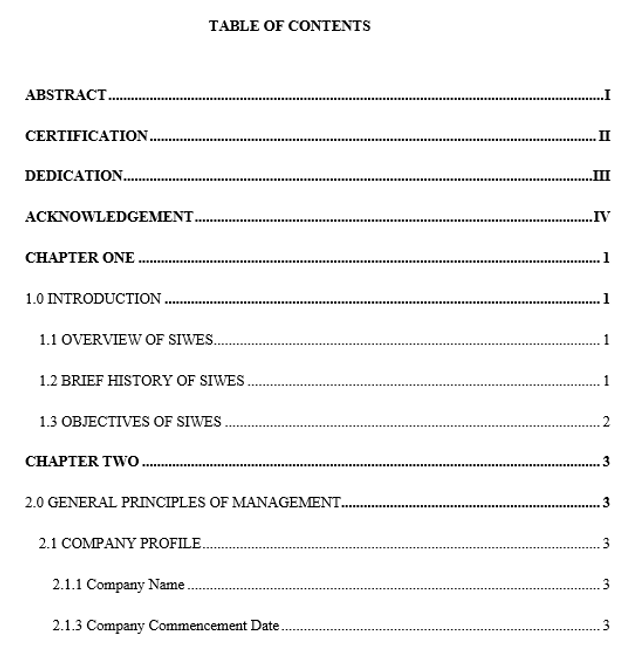
Writing an undergraduate project is a compulsory requirement for graduating from Nigerian universities, polytechnics, and colleges of education. For many final year students, it is the most challenging academic task they will face.
Students often ask questions like:
- How do I start writing my project?
- What is the correct project format in Nigeria?
- How do I write Chapter One to Chapter Five?
- What causes students to fail project work?
This guide explains how to write an undergraduate project in Nigeria, using standard formats approved by Nigerian institutions and widely used research manuals. It breaks the entire process into clear, practical steps that any student can follow.
📙 Final Year Project Tools 🔥
FYP Report Generator — Generate full project chapters and citations.
https://fyp.monoed.africa
Project Topic Generator — Get supervisor-ready project topics instantly.
https://topics.monoed.africa
Reference Verifier — Quickly verify citations by checking authors, year, and DOI before submission.
https://refverify.monoed.africa
What Is an Undergraduate Project?
An undergraduate project is a structured research work carried out by a final year student under the supervision of an academic staff member. It tests a student’s ability to:
- Identify a research problem
- Review existing literature
- Collect and analyze data
- Present findings logically
- Follow academic writing standards
Without an approved and defended project, a student cannot graduate.
Standard Undergraduate Project Format in Nigeria
Most Nigerian institutions follow a five-chapter project structure, though headings may slightly vary by department.
The General Structure Includes:
- Preliminary pages
- Chapter One to Chapter Five
- References
- Appendices
Always confirm your department’s project guideline, but the structure below is accepted nationwide.
Step 1: Choose a Suitable Project Topic
Your project topic determines how easy or difficult the entire work will be.
How to Choose a Good Topic
- Select an area related to your course
- Ensure materials are available
- Avoid overly broad topics
- Focus on a clear problem
- Prefer topics with measurable variables
✔️ Good example:
Impact of Social Media Usage on Academic Performance of Undergraduate Students in Nigeria
❌ Poor example:
Social Media and Students
Your topic must be approved by your supervisor before you proceed.
Step 2: Write the Preliminary Pages
These pages come before Chapter One.
Common Preliminary Pages in Nigeria
- Title page
- Declaration
- Certification
- Dedication
- Acknowledgements
- Table of Contents
- List of Tables
- List of Figures
- Abstract
Abstract
The abstract is a summary of the entire project. It briefly covers:
- Background of the study
- Methodology
- Key findings
- Conclusion or recommendations
It is usually written last but placed at the beginning.
💡 Related post: How to Write an Abstract for a Final Year Project in Nigeria
Step 3: How to Write Chapter One (Introduction)
Chapter One explains what the study is about and why it matters.
Typical Sections in Chapter One
Background to the Study
This introduces the topic using a funnel approach. Start broadly and narrow down to the specific problem.
Statement of the Problem
Clearly state the issue your research intends to solve. It should come from gaps in existing studies or real-world challenges.
Purpose of the Study
Begin with:
The purpose of this study is to…
Then list specific objectives.
Research Questions or Hypotheses
- Research questions are derived from objectives
- Hypotheses are stated in null form where applicable
Significance of the Study
Explain who benefits from the study and how.
Scope of the Study
Define the content and geographical coverage.
Operational Definition of Terms
Explain technical terms as used in your study.
💡 Related post: How to Write Chapter One of a Final Year Project in Nigeria
Step 4: How to Write Chapter Two (Literature Review)
Chapter Two shows that you understand existing research related to your topic.
Common Sections
- Conceptual framework
- Theoretical framework
- Empirical studies
- Appraisal of reviewed literature
You must:
- Cite credible sources
- Compare previous findings
- Identify research gaps
Avoid copying directly from sources. Paraphrase and cite properly.
💡 Related post: How to Write Project Chapter Two (Literature Review) in Nigeria Step-by-Step
Step 5: How to Write Chapter Three (Methodology)
This chapter explains how the research was conducted.
What Chapter Three Contains
- Research design
- Population of the study
- Sample and sampling technique
- Instrument for data collection
- Validity and reliability
- Procedure for data collection
- Method of data analysis
Everything written here must align with your objectives and research questions.
Step 6: How to Write Chapter Four (Results and Analysis)
Chapter Four presents your findings.
Key Points
- Use tables and figures correctly
- Number tables in order of appearance
- Answer research questions clearly
- Test hypotheses where applicable
Do not interpret results deeply here. Focus on presentation and analysis.
Step 7: How to Write Chapter Five (Discussion, Conclusion, and Recommendations)
This chapter explains what your findings mean.
Sections Often Included
- Discussion of findings
- Implications of the study
- Conclusion
- Recommendations
- Suggestions for further study
Your discussion should compare your findings with previous studies reviewed in Chapter Two.
Referencing and Plagiarism in Nigerian Universities
Most Nigerian institutions use:
- APA style
- Harvard style
All sources cited in the text must appear in the reference list.
Plagiarism can lead to:
- Project rejection
- Forced correction
- Failure
Always cite your sources properly.
💡 Related post: Ultimate Guide to APA 7th and MLA 9th Referencing for Nigerian Final Year Projects
Formatting Requirements Most Nigerian Schools Use
Although formatting may vary, many schools require:
- A4 paper size
- Times New Roman
- Font size 12
- Double line spacing
- 1-inch margins
- Justified text
Confirm from your department before final submission.
Common Mistakes Students Make
- Starting late
- Ignoring supervisor feedback
- Copying past projects
- Poor referencing
- Weak problem statement
- Inconsistent formatting
Avoiding these mistakes can save you months of correction.
Helpful Tools for Final Year Students
📙 Final Year Project Tools 🔥
FYP Report Generator — Generate full project chapters and citations.
https://fyp.monoed.africa
Project Topic Generator — Get supervisor-ready project topics instantly.
https://topics.monoed.africa
Reference Verifier — Quickly verify citations by checking authors, year, and DOI before submission.
https://refverify.monoed.africa
Conclusion
Writing an undergraduate project in Nigeria is demanding, but it is achievable with the right structure, discipline, and guidance.
Focus on:
- Clear objectives
- Proper formatting
- Supervisor feedback
- Original writing
If done correctly, your project will not only help you graduate but also build strong research skills for the future.
FAQs
How do I start writing my undergraduate project?
Start by choosing an approved topic, then write Chapter One. Do not jump to other chapters first.
What is the format for writing a project in Nigeria?
Most Nigerian institutions use a five-chapter format with preliminary pages, references, and appendices.
Can I use another student’s project as a guide?
You can use it for structure only. Copying content is plagiarism.
How long should an undergraduate project be?
It depends on the department, but most projects range between 40 and 80 pages excluding appendices.
Can I fail my project?
Yes. Poor writing, plagiarism, or ignoring guidelines can lead to failure or major corrections.
About the Author
Mohammad-Jamiu B. Balogun, GMNSE
AI Security Researcher · Founder, MonoEd Africa
Mohammad-Jamiu is a First-Class Telecommunications Engineer and Best Graduating Student (BUK), and an AI security researcher. He founded MonoEd Africa to give Nigerian students AI-powered academic tools — from SIWES logbooks to final year projects. His work has reached over 10,000 students across Nigeria.