Do SIWES Students Get Paid in Nigeria? ITF Stipend and Company Allowances Explained
Learn how much SIWES students in Nigeria are paid, who pays (ITF or company), and what to expect before your training begins.
If you’re about to begin your SIWES or Industrial Training (IT) in Nigeria, one of the first questions you’ll probably ask is, “Do SIWES students get paid?”
The answer is sometimes yes, sometimes no. Some students receive a stipend from the Industrial Training Fund (ITF) or their training company, while others complete the entire program without any payment.
Let’s break it down so you know exactly what to expect before you start.
Who Pays SIWES Students in Nigeria?
There are two main sources of payment during SIWES: the Industrial Training Fund (ITF) and your host company.
1. The Industrial Training Fund (ITF)
The Industrial Training Fund, or ITF, is a federal agency that supports students during their SIWES program. It provides a small official allowance to eligible students after they complete their training.
- Amount: Usually around ₦15,000 for the entire six-month period.
- When it’s paid: After your training ends and your school submits all the required documents.
- Reality: Payments are often delayed, and some students never receive them because of missing documents or funding problems.
In most cases, ITF payment comes long after the program ends. Some students get theirs months or even years after graduation, while others don’t get paid at all.
2. The Host Company or Organization
The company or organization where you do your training can also decide to pay you an allowance. This payment is not compulsory, but many companies do it to support students with transport and basic needs.
Here’s what usually happens:
- Large companies (Oil, Tech, Engineering): Firms like Shell, Chevron, MTN, and Dangote often pay between ₦20,000 and ₦80,000 monthly.
- Government agencies: Most government offices don’t pay students.
- Private companies and SMEs: Payment varies a lot. Some may pay a small monthly allowance, while others offer only lunch or transport support.
How to Qualify for ITF SIWES Payment
To be eligible for the ITF allowance, you must complete your training and submit all required documents correctly through your school’s SIWES coordinator.
Here’s what you’ll need:
- You must be studying a course approved by NUC, NBTE, or NCCE for SIWES.
- You must complete the full duration of your training (four or six months).
- Submit all official forms, including:
- SIWES Logbook (filled and signed)
- ITF Form 8
- Student Commencement Attachment Form (SCAF) or SPE–1 Form
- Correct bank details that match your name
If you miss or wrongly fill any of these, payment might not go through.
Tips for Students
Even if your SIWES doesn’t come with a stipend, it’s still an important part of your education. You’ll gain experience, connections, and practical skills that can help you later in life.
Here are a few helpful tips:
- Ask about payment policies before accepting a placement.
- Be punctual and treat your training like a real job.
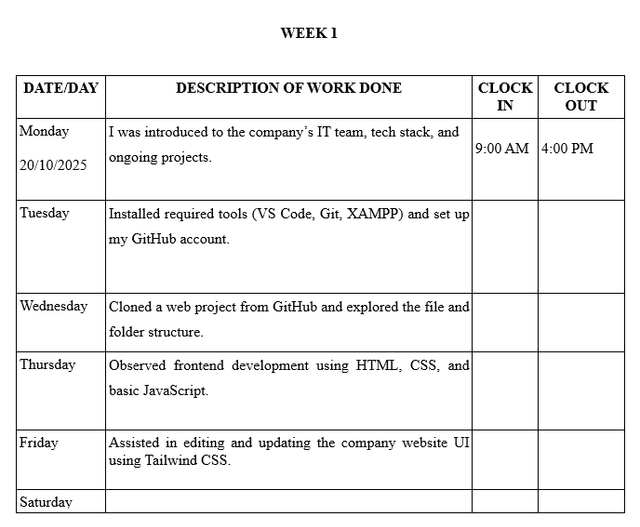
- Fill your logbook daily and get your supervisor’s signature every week.
- Use free tools like SIWES Logbook Generator and SIWES Report Generator to make your documentation easier and faster.
Wrap Up
So, do SIWES students get paid in Nigeria? The truth is that some do and some don’t.
The ITF pays a small allowance, but payment is not always guaranteed and often comes very late. On the other hand, private companies—especially those in tech, oil, or engineering—usually offer better stipends.
Regardless of payment, your SIWES experience is worth it. It’s a chance to build real-world skills, understand your career field, and prepare for life after school. Focus on learning, networking, and doing your best—the money may come later, but the experience stays with you.
About the Author
Mohammad-Jamiu B. Balogun, GMNSE
AI Security Researcher · Founder, MonoEd Africa
Mohammad-Jamiu is a First-Class Telecommunications Engineer and Best Graduating Student (BUK), and an AI security researcher. He founded MonoEd Africa to give Nigerian students AI-powered academic tools — from SIWES logbooks to final year projects. His work has reached over 10,000 students across Nigeria.