Hostel Life Challenges in Nigeria: The Realities of Student Survival on Campus
Discover the major hostel life challenges in Nigeria, including overcrowding, water scarcity, poor electricity, insecurity, and student survival tips in universities.

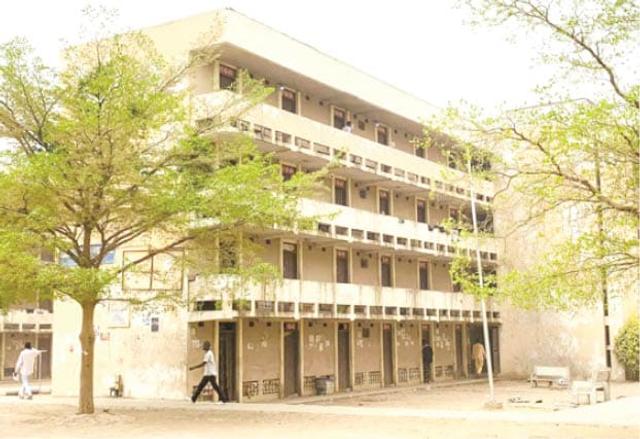
For many Nigerian students, gaining admission into a university or polytechnic is only the beginning of another major challenge, finding a comfortable place to stay. Hostel life in Nigeria has become one of the most talked-about aspects of tertiary education because of the harsh realities students experience daily.
From waking up by 4 AM to fetch water to struggling with overcrowded rooms and unstable electricity supply, many students are forced to adapt to difficult living conditions while trying to focus on their academics. Yet, despite the stress and frustration, hostel life also creates unforgettable memories, lifelong friendships, and valuable life lessons.
In many Nigerian tertiary institutions, hostels are no longer just places to sleep. They have become survival grounds where students learn patience, resilience, budgeting, social interaction, and independence.
This article look over the major hostel life challenges in Nigeria, their effects on students, why the problems persist, and possible solutions that can improve student accommodation in Nigerian universities and polytechnics.
What Is Hostel Life?
Hostel life refers to the experience of living in student accommodation provided either by a school or by private hostel owners around the campus environment.
In Nigerian universities, hostels may be:
- On-campus hostels managed by the institution
- Private hostels located around the school
- Public-private partnership hostels
Hostel life exposes students to communal living where they share rooms, bathrooms, kitchens, and facilities with other students from different backgrounds.
While hostel life can be exciting and socially rewarding, it also comes with many serious challenges.
Major Hostel Life Challenges in Nigeria
1. Overcrowding in Hostels
Overcrowding is one of the biggest hostel problems in Nigerian universities.
Many hostels were originally designed for two or four students per room, but due to increasing student population and inadequate accommodation, some rooms now contain six, eight, or even more students.
Effects of Overcrowding
- Lack of privacy
- Excessive noise
- Poor ventilation
- Difficulty concentrating while studying
- Increased conflicts among roommates
- Poor sleep quality
In some schools, students even sleep on mattresses placed on the floor because bed spaces are insufficient.
The rapid increase in university admissions without corresponding hostel expansion has worsened this issue across many federal and state universities.
2. Water Scarcity
Water shortage is another common challenge students face in Nigerian hostels.
In many institutions, students wake up very early just to queue for water before attending lectures. Some hostels have limited functional taps serving hundreds of students.
Common Water Problems in Hostels
- Dry taps for days
- Long queues at boreholes
- Carrying buckets over long distances
- Buying water from vendors
- Limited water for bathing and washing
Students often describe the daily struggle for water as "water wars" because competition for available water can become intense.
Water scarcity affects hygiene, comfort, and even students' mental well-being.
3. Poor Electricity Supply
Unstable electricity remains one of the most frustrating parts of hostel life in Nigeria.
Power outages affect:
- Reading at night
- Charging phones and laptops
- Cooking with electric appliances
- Internet access
- Comfort during hot weather
Many students rely on rechargeable lamps, power banks, and generators to survive long periods without electricity.
The situation becomes worse during examination periods when students need stable power for reading.
4. Poor Sanitation and Hygiene
Many Nigerian hostels suffer from poor sanitary conditions due to inadequate maintenance and overcrowding.
Common sanitation problems include:
- Dirty toilets
- Blocked drainage systems
- Overflowing sewage
- Poor waste disposal
- Smelly bathrooms
- Mosquito infestation
Poor hygiene conditions expose students to diseases and infections.
In some hostels, students avoid using the toilets because of how dirty and unhealthy they are.
5. Insecurity and Theft
Security is another serious concern in many student hostels.
Because of communal living and weak security systems, students often experience theft of:
- Phones
- Laptops
- Food items
- Clothes
- Money
Some students use multiple padlocks or hide valuables in unusual places to protect their belongings.
Off-campus hostels may also expose students to robbery, cult activities, and harassment.
6. High Cost of Accommodation
The rising cost of hostel accommodation has become a major burden for students and parents.
Many schools continue increasing hostel fees due to inflation and maintenance costs. Private hostels around campuses are often even more expensive.
Apart from rent, students also spend money on:
- Water
- Electricity contributions
- Security fees
- Transportation
- Cooking gas
- Internet subscription
For students from low-income families, these expenses create financial pressure that affects academic performance.
7. Roommate Problems
Living with different people can be stressful.
Some students struggle with roommates who:
- Play loud music
- Keep the room dirty
- Snore heavily
- Bring visitors frequently
- Use others' belongings without permission
- Disturb reading time
Because students come from different ethnic, religious, and cultural backgrounds, misunderstandings are common.
However, hostel life also teaches tolerance, communication, and conflict management.
8. Lack of Privacy
Privacy is almost nonexistent in many Nigerian hostels.
Students often share small spaces with multiple roommates, making it difficult to:
- Read quietly
- Sleep peacefully
- Make phone calls privately
- Relax comfortably
This constant exposure can lead to stress and emotional exhaustion.
9. Noise Pollution
Hostels are rarely quiet.
Noise may come from:
- Loud music
- Conversations
- Religious activities
- Cooking areas
- Generators
- Parties and celebrations
Students preparing for tests or exams often find it difficult to concentrate in such environments.
10. Poor Hostel Maintenance
Many hostels are old and poorly maintained.
Students frequently deal with:
- Broken doors
- Damaged windows
- Faulty plumbing
- Leaking roofs
- Broken beds
- Worn-out furniture
Lack of regular renovation contributes to the poor condition of student accommodation across many institutions.
Why Hostel Challenges Persist in Nigeria
Several factors contribute to poor hostel conditions in Nigerian tertiary institutions.
Increasing Student Population
Universities continue admitting more students without expanding hostel facilities.
Poor Educational Funding
Insufficient government funding affects infrastructure development and maintenance.
Corruption and Mismanagement
Funds meant for hostel improvement are sometimes mismanaged or poorly utilized.
Poor Maintenance Culture
Many institutions fail to maintain existing hostel facilities properly.
Overdependence on Private Hostels
Because school hostels are insufficient, students are forced into expensive private accommodations.
Effects of Poor Hostel Conditions on Students
Hostel challenges affect students academically, mentally, physically, and socially.
Academic Effects
- Poor concentration
- Sleep deprivation
- Reduced study time
- Low academic performance
Health Effects
- Stress
- Fatigue
- Frequent illness
- Poor hygiene-related infections
Financial Effects
- Increased living expenses
- Transportation costs
- Unexpected utility bills
Psychological Effects
- Anxiety
- Frustration
- Emotional exhaustion
- Depression in severe cases
Positive Side of Hostel Life
Despite the struggles, hostel life also has many benefits.
Friendship and Networking
Many students build lifelong friendships in hostels.
Independence
Students learn how to:
- Manage money
- Cook
- Wash clothes
- Solve problems independently
Cultural Exposure
Hostels bring together students from different tribes, religions, and backgrounds.
Social Development
Students improve communication and teamwork skills through communal living.
Survival Tips for Hostel Life in Nigeria
Students can make hostel life easier by following practical survival tips.
Essential Hostel Survival Tips
1. Secure Your Valuables
Always lock your room and protect important belongings.
2. Wake Up Early for Water
Early mornings are often the best time to fetch water.
3. Buy Rechargeable Devices
Power banks and rechargeable lamps are essential.
4. Maintain Good Relationships
Peaceful relationships with roommates make hostel life easier.
5. Practice Good Hygiene
Keep your environment clean to avoid illnesses.
6. Learn Basic Cooking
Cooking helps reduce feeding expenses.
7. Budget Wisely
Avoid unnecessary spending.
How Nigerian Universities Can Improve Hostel Life
Improving hostel conditions requires cooperation between government, school management, and private investors.
Possible Solutions
- Construction of more hostels
- Renovation of old facilities
- Improved water supply
- Better electricity systems
- Enhanced security
- Proper sanitation management
- Stronger hostel supervision
- Public-private partnerships for hostel development
Schools should prioritize student welfare because a good learning environment contributes to academic success.
Conclusion
Hostel life in Nigeria is a unique experience filled with both hardship and unforgettable memories. While students face overcrowding, poor electricity, water scarcity, insecurity, and financial stress, many still find ways to adapt and survive.
The reality is that hostel life teaches resilience, independence, tolerance, and social interaction in ways classrooms cannot.
However, students deserve better living conditions that support their academic and personal growth. Nigerian universities and governments must invest more in student accommodation so that hostels become places that truly support learning rather than environments students simply struggle to endure.
At the same time, many graduates still look back on hostel life with nostalgia because beyond the stress were friendships, experiences, and lessons that shaped their lives forever.
FAQs About Hostel Life Challenges in Nigeria
What are the common hostel challenges in Nigeria?
The common hostel challenges in Nigeria include overcrowding, water scarcity, poor electricity supply, poor sanitation, insecurity, theft, and high accommodation costs.
Why are Nigerian university hostels overcrowded?
Overcrowding happens because student admissions continue increasing while hostel facilities remain limited and poorly expanded.
Is hostel life stressful in Nigeria?
Yes, hostel life can be stressful due to poor infrastructure, lack of privacy, unstable power supply, and communal living challenges.
What are the advantages of hostel life?
Hostel life helps students develop independence, social skills, friendships, cultural understanding, and financial management skills.
How can students survive hostel life in Nigeria?
Students can survive hostel life by budgeting properly, maintaining good hygiene, protecting valuables, managing relationships well, and adapting to communal living.
Is on-campus hostel better than off-campus accommodation?
On-campus hostels are usually cheaper and closer to lecture halls, but they may also be overcrowded. Off-campus accommodation may offer more comfort but is often more expensive.
How can universities improve hostel conditions?
Universities can improve hostel life by building more hostels, renovating facilities, improving security, ensuring regular water supply, and maintaining clean environments.
About the Author
Mohammad-Jamiu B. Balogun, GMNSE
AI Security Researcher · Founder, MonoEd Africa
Mohammad-Jamiu is a First-Class Telecommunications Engineer and Best Graduating Student (BUK), and an AI security researcher. He founded MonoEd Africa to give Nigerian students AI-powered academic tools — from SIWES logbooks to final year projects. His work has reached over 10,000 students across Nigeria.