How Long Does SIWES/IT Last? A Simple Guide for University and Polytechnic Students in Nigeria
Wondering how long SIWES or IT lasts in Nigeria? Learn the duration for university, polytechnic, and college students, including differences by course and institution.

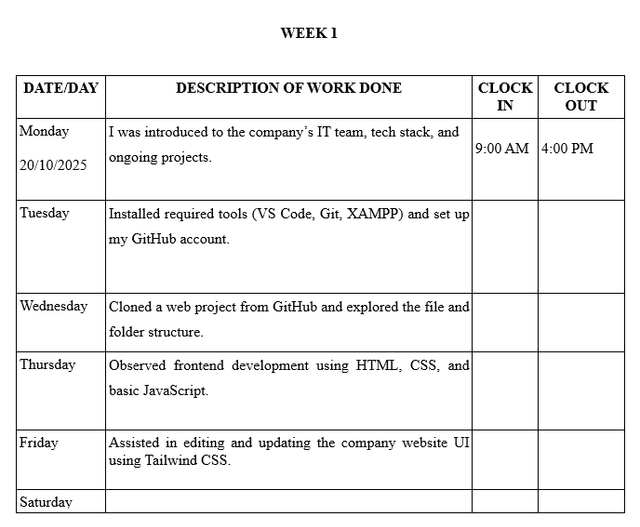
If you’ve ever wondered how long SIWES or Industrial Training (IT) lasts in Nigeria, you’re not alone. The duration depends on whether you’re in a university or a polytechnic, and sometimes even on your specific course of study.
This guide explains it clearly so you know what to expect before your training begins.
Note: In universities, the training is officially called SIWES (Students Industrial Work Experience Scheme), while in polytechnics and colleges of education, it’s more commonly referred to as Industrial Training (IT) or IT attachment.
Both mean the same thing: a period of hands-on work experience but, the name used depends on your institution.
⚡ SIWES Tools for Students
Stop struggling with your SIWES documents — use our free AI-powered generators to save hours of work:
📘 SIWES Logbook Generator – Instantly create weekly logbook entries.
📑 SIWES Report Generator – Generate a full SIWES report draft in minutes.
🎓 Trusted by 1,000+ Nigerian students.
👉 Try them now and submit a professional report faster!
How Many Months Does SIWES Take?
In most universities, SIWES lasts for six months (24 weeks).
In polytechnics and colleges of education, it usually lasts for four months (16 weeks).
However, the duration may vary depending on your department or programme requirements. Some professional courses, especially in engineering or technology, can take longer.
How Long Does SIWES Last in Universities?
For most university students, SIWES lasts for six months (24 weeks).
The exact duration may vary depending on your course. Engineering, science, and technology programmes sometimes last longer because of professional requirements.
Typical University SIWES Duration
| Programme | Duration | Level / Period | Description |
|---|---|---|---|
| SIWES I | 3 months | 300 level (after 2nd semester) | Common for engineering and technical students. |
| SIWES II | 6 months | 400 level | Advanced placement for final practical exposure. |
| Other Courses | 6 months | 3rd year of degree programme | Common for non-engineering courses. |
Some universities divide SIWES into two parts (SIWES I and II), especially for engineering students. Others do a single six-month SIWES programme, typically during the third year of study.
How Long Does IT Last in Polytechnics?
In polytechnics, Industrial Training (IT) is done in two stages: one after ND I and another after ND II, before moving on to HND.
The total duration depends on your course and school’s policy.
Typical Polytechnic IT Duration
| Stage | Level / Period | Duration | Notes |
|---|---|---|---|
| First IT (ND I) | After ND I (first year) | 4 months (16 weeks) | Introductory exposure to basic workplace experience. |
| Second IT (ND II / Pre-HND) | After ND II, before HND | 12 months (1 year) | Advanced, hands-on training in your field of study. |
In total, polytechnic students may spend around 16 months in IT before starting HND. The short IT helps students get familiar with real work environments, while the longer one prepares them for industry-level roles.
Do Colleges of Education Students Do SIWES Too?
Yes. Students in colleges of education also take part in SIWES, especially those studying science or technical courses. Their training usually lasts about four months, often done after the second year.
Why the Duration Differs
The duration of SIWES or IT depends on a few factors:
- The type of institution (university, polytechnic, or college)
- The course of study and its practical requirements
- The school’s or ITF’s training policy
- Accreditation needs from professional bodies like COREN or NUC
Some departments extend the period to help students meet industry training hours or gain more experience.
Final Thoughts
Whether you call it SIWES or IT, the goal is the same: to help you gain real-world experience before graduation.
Make the most of it by learning actively, asking questions, and documenting your daily work in your logbook.
Those few months of hands-on experience can become one of the most valuable parts of your entire academic journey.
About the Author
Mohammad-Jamiu B. Balogun, GMNSE
AI Security Researcher · Founder, MonoEd Africa
Mohammad-Jamiu is a First-Class Telecommunications Engineer and Best Graduating Student (BUK), and an AI security researcher. He founded MonoEd Africa to give Nigerian students AI-powered academic tools — from SIWES logbooks to final year projects. His work has reached over 10,000 students across Nigeria.