SIWES Logbook for Agriculture Students: How to Fill Daily Activities Correctly
Learn how to fill your SIWES logbook for Agriculture students with daily entries for crops, livestock, farm machinery, and extension services. Step-by-step guide with examples, sketches, and supervisor signature tips.

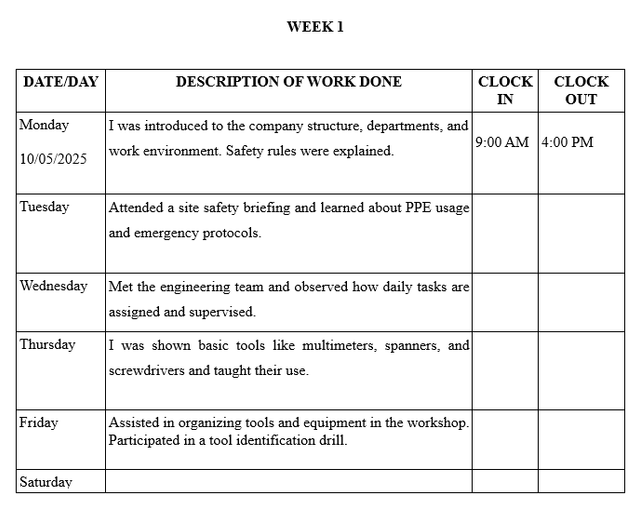
Filling a SIWES logbook as an Agriculture student is a critical part of your industrial training under the Students Industrial Work Experience Scheme (SIWES). Your logbook shows your practical skills in crop science, livestock management, farm machinery, and extension services.
A well-filled logbook demonstrates your:
- Hands-on experience in agricultural practices
- Exposure to farm operations and mechanization
- Understanding of livestock management and crop production
- Engagement in community extension programs
This guide will show you how to structure and fill your Agriculture SIWES logbook with examples, summaries, and tips to make your entries professional and accurate.
What Is Expected in an Agriculture SIWES Logbook
Your logbook should clearly reflect your learning in different areas of agriculture, including:
Crop Science
- Land clearing and bed preparation
- Planting and transplanting
- Fertilizer application and soil management
- Weeding and pest control
- Harvesting and crop processing
Livestock Management
- Feeding and watering animals
- Cleaning and maintaining pens
- Vaccination and health monitoring
- Egg collection or milk harvesting
- Management of poultry feeders and drinkers
Agricultural Engineering/Mechanization
- Operating tractors and farm machinery
- Servicing and maintaining equipment
- Maintaining irrigation systems
Extension Services
- Farmer sensitization programs
- Data collection and surveys
- Community agricultural education
Structure of an Agriculture SIWES Logbook
1. Student & Company Details
- Name
- Matriculation number
- Department
- Organization/farm name and address
- Supervisor’s name
- Duration of attachment
2. Daily/Weekly Activity Entries
Each entry should include:
- Date or Week: Clearly indicate the day or week number
- Activity Description: Specific tasks performed, e.g., “Assisted in planting maize on plot A” or “Vaccinated broiler chicks”
- Skills/Knowledge Learned: Record new techniques or skills, e.g., “Learned how to determine seed viability”
- Observations: Include notable observations, e.g., “Noticed early signs of pest infestation in the cassava plot”
Always write in professional, past tense language. Avoid vague phrases like “Worked on the farm” or “Helped out.”
Sample SIWES Logbook Entries for Agriculture Students
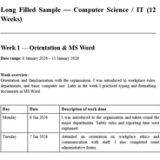
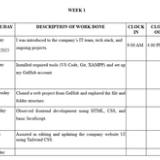
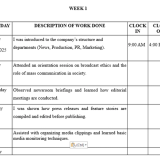
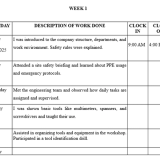
Week 1 – Orientation and Farm Introduction
| Day | Activity |
|---|---|
| Monday | Reported to the farm. Introduced to staff, safety procedures, and farm layout. |
| Tuesday | Assisted in land clearing and bed preparation for cassava and maize plots. Learned proper spacing techniques for planting. |
| Wednesday | Observed fertilizer application for maize plot. Learned about types of fertilizers and appropriate doses. |
| Thursday | Assisted in transplanting tomato seedlings into prepared beds. Learned proper handling to avoid damage. |
| Friday | Observed pest scouting for cassava and tomato plants. Noted early signs of aphid infestation and discussed control measures. |
Week 2 – Livestock and Mechanization
| Day | Activity |
|---|---|
| Monday | Fed poultry and monitored water supply. Observed vaccination procedures for chicks. |
| Tuesday | Cleaned and disinfected pens. Learned proper hygiene practices to prevent disease spread. |
| Wednesday | Operated the tractor under supervision to plough a new maize plot. Learned basic tractor controls and safety measures. |
| Thursday | Serviced farm machinery including sprayers and irrigation pumps. Learned preventive maintenance techniques. |
| Friday | Assisted in extension services by visiting nearby smallholder farmers and collecting crop growth data. |
Tools and Equipment to Include in Your Logbook
- Hand tools: Hoe, spade, cutlass, rake
- Measuring equipment: Tape measure, soil testing kits
- Farm machinery: Tractor, plough, sprayer, irrigation pump
- Livestock equipment: Feeders, drinkers, syringes for vaccination
- Safety gear: Gloves, boots, helmet, protective clothing
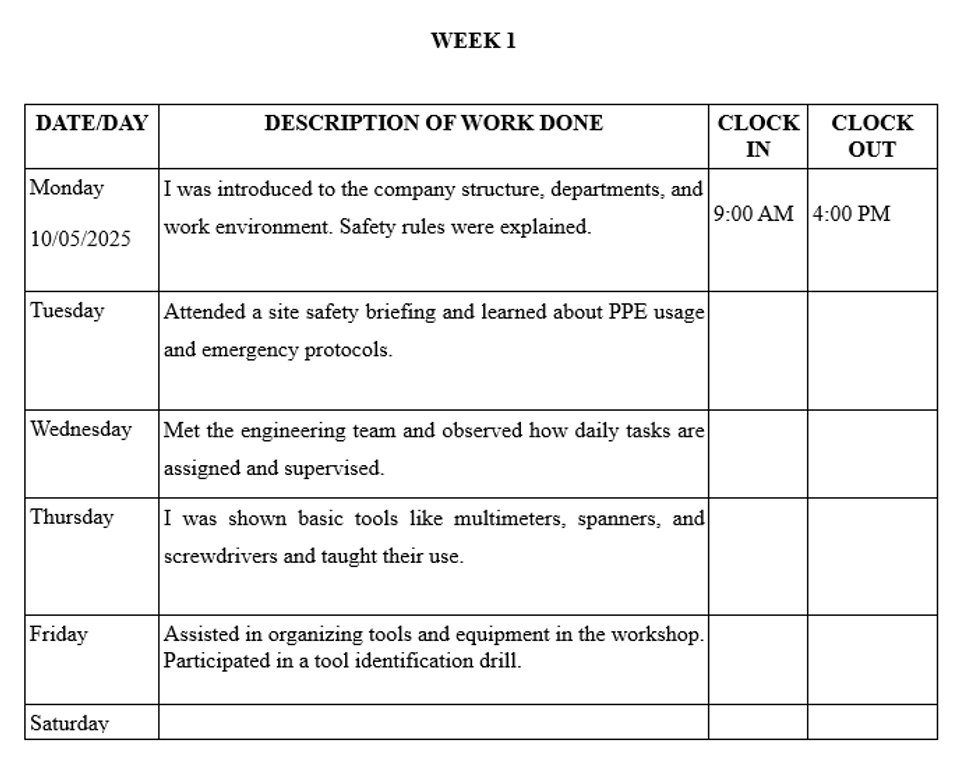
Sketch Ideas for Agriculture Logbooks
Adding sketches improves clarity and evaluation. Include:
- Field layout for crops
- Irrigation system diagram
- Livestock pen arrangement
- Mechanization setup (tractor path, ploughing pattern)
Label sketches clearly and neatly.
Weekly Summary Guidelines
At the end of each week, summarize:
- Major tasks performed
- Skills and techniques learned
- Observations and challenges
- Recommendations for improvement
Example:
“This week, I gained hands-on experience in planting maize and cassava, learned pest scouting techniques, and participated in farm machinery operation. I also engaged with local farmers during extension visits.”
Ensure your supervisor signs and stamps your weekly summary for verification.
Common Mistakes Agriculture Students Must Avoid
- Writing vague or repetitive entries
- Skipping daily/weekly updates
- Forgetting supervisor signatures
- Leaving sketches blank
- Failing to note tools or techniques used
Tips to Score High in SIWES
- Record daily activities immediately
- Draft entries in a rough notebook before finalizing
- Use professional language
- Focus on what you learned, not just what you did
- Include sketches and diagrams
- Ensure supervisor signatures are obtained weekly
Handling “No Work” Days
If no major activity occurs, you can write:
- “Reviewed farm records and monitored irrigation system”
- “Studied seed treatment procedures and pest control methods”
- “No major activity; assisted in routine maintenance tasks”
Never leave a day blank.
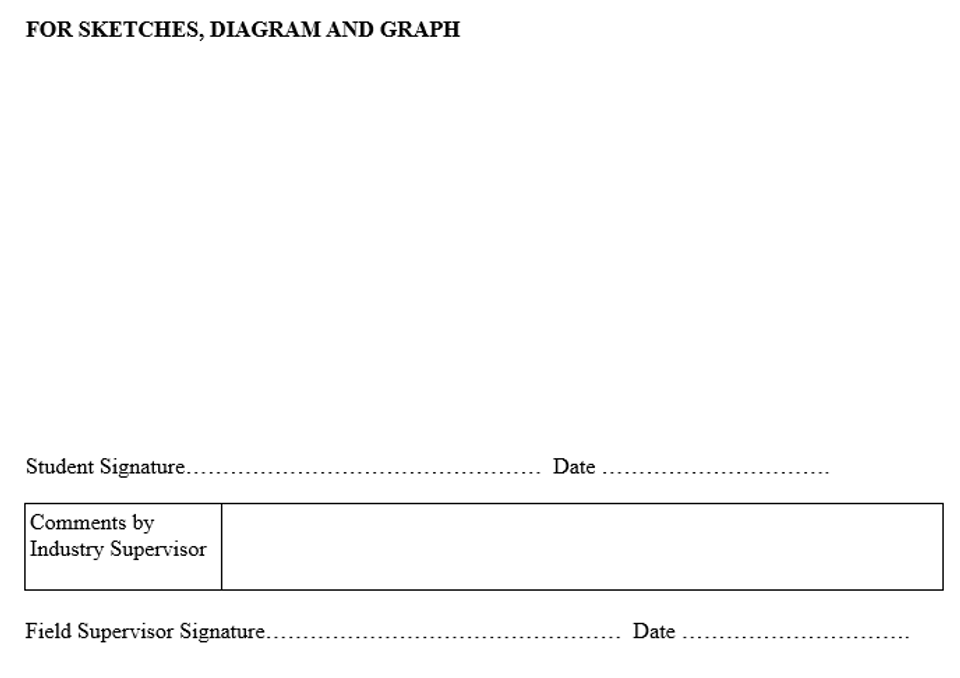
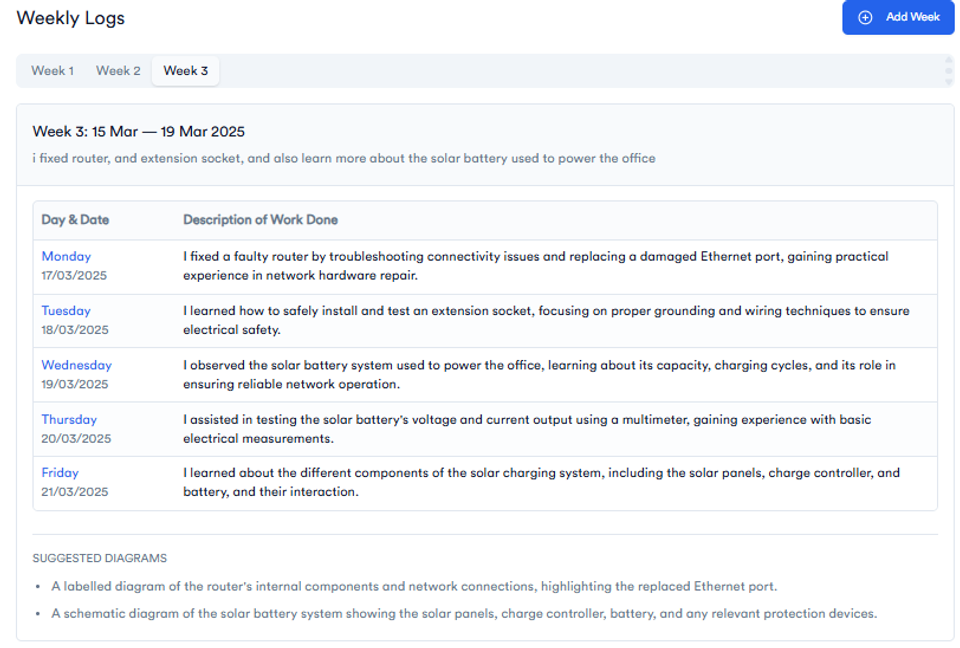
Tired of Writing Logbook Entries Every Day?
You’re not alone — most students leave it till the last week and forget the details. That’s why thousands now use this:
✅ Just enter a short weekly summary
✅ Get full Monday–Friday entries instantly
✅ Copy → paste → done
✅ Grammar-checked
Whether you're at an agricultural firm, farmland etc, this tool adapts to your field and saves hours.
👉 Try It Free – Generate My Logbook Now
FAQs
1. How do I start my Agriculture SIWES logbook?
Begin with your personal and farm details, then document daily activities with clear, professional language. Include sketches if possible.
2. Can I fill my logbook weekly instead of daily?
Daily entries are recommended. Weekly writing may cause forgotten details and weak entries.
3. Are sketches mandatory?
Yes. Sketches of field layouts, livestock pens, or irrigation systems improve clarity and evaluation scores.
4. What activities should Agriculture students record?
Crop science, livestock management, farm machinery operation, and extension services.
5. What if my attachment is mostly observation-based?
Document observations, learning experiences, and participation in discussions or extension programs.
About the Author
Mohammad-Jamiu B. Balogun, GMNSE
AI Security Researcher · Founder, MonoEd Africa
Mohammad-Jamiu is a First-Class Telecommunications Engineer and Best Graduating Student (BUK), and an AI security researcher. He founded MonoEd Africa to give Nigerian students AI-powered academic tools — from SIWES logbooks to final year projects. His work has reached over 10,000 students across Nigeria.