How to Fill SIWES Logbook for Estate Management Students (With Practical Examples)
Learn how to fill your SIWES logbook for Estate Management with daily examples covering property valuation, management, agency, and site inspections. Includes weekly summary guide, supervisor signature tips, and common mistakes to avoid.

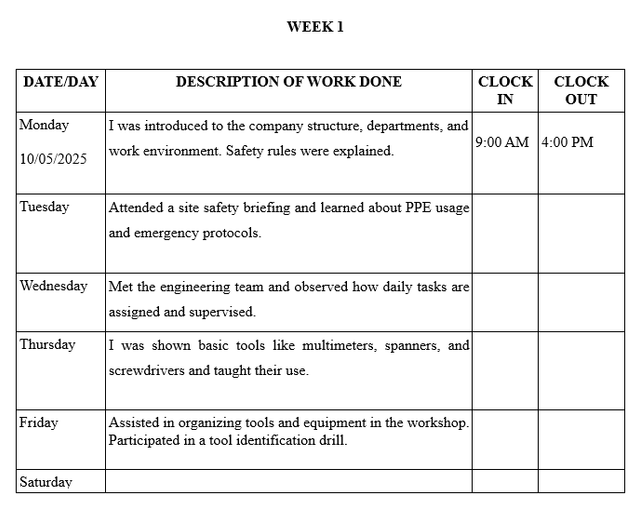
Filling your SIWES logbook as an Estate Management student is an important requirement under the Students Industrial Work Experience Scheme (SIWES).
Your logbook serves as evidence of your practical experience in property valuation, property management, estate agency, and site inspection during your industrial training.
A properly completed logbook demonstrates:
- Technical exposure to valuation and property analysis
- Experience in tenant and facility management
- Participation in agency and documentation processes
- Professional growth throughout your attachment
This guide explains how to fill your Estate Management SIWES logbook correctly, including daily entry examples, weekly summary structure, and tips to ensure supervisor approval.
What Is Expected in an Estate Management SIWES Logbook
Your entries should reflect hands-on experience in the core areas of estate management, including:
Property Management
- Updating tenant ledgers
- Handling maintenance requests
- Conducting routine property inspections
- Managing rent collection records
Property Valuation
- Measuring properties for valuation
- Collecting comparable market data
- Assisting in drafting valuation reports
- Inspecting properties for assessment
Estate Agency
- Marketing vacant properties
- Showing properties to prospective tenants or buyers
- Drafting tenancy agreements
- Negotiating rental terms
Documentation and Field Work
- Filing legal documents and land records
- Reviewing survey plans
- Preparing receipts and transaction records
- Attending court, planning offices, or site visits
Your logbook should show progression in knowledge and responsibility over time.
Step-by-Step Guide to Filling Your Logbook
1. Record Daily Activities
Write your activities daily or at least weekly to avoid forgetting details. Use a rough notebook or jotter during fieldwork, then neatly transfer entries to your official logbook.
Each entry should include:
- Date
- Specific task performed
- Skills or techniques learned
- Observations made
Example:
“Accompanied supervisor to inspect a 3-bedroom flat for valuation and recorded physical property features for assessment.”
2. Focus on Technical Skills
Highlight professional skills such as:
- Property measurement techniques
- Valuation methods
- Drafting legal or tenancy documents
- Tenant management procedures
- Site inspection reporting
Avoid vague entries like “Went to site.” Instead write:
“Conducted site inspection of residential property to assess structural condition and maintenance needs.”
3. Be Concise but Detailed
Summarize your work clearly while including important details. Your logbook should show both participation and learning outcomes.
4. Complete Weekly Summary
At the end of each week, write a short summary of:
- Major tasks handled
- Skills developed
- New procedures learned
- Challenges encountered
Example:
“This week, I participated in property inspections and assisted in preparing valuation reports. I learned how to assess comparable market data and improved my understanding of tenancy documentation.”
5. Obtain Supervisor Signature
Ensure your industry supervisor reviews, signs, and stamps your logbook weekly. Unsigned logbooks may not be accepted during final submission.
Sample Daily Logbook Entries for Estate Management
Week 1 – Orientation and Property Inspection
| Day | Activity |
|---|---|
| Monday | Reported to the firm and received orientation on office procedures and property portfolio. |
| Tuesday | Accompanied supervisor to inspect a residential property for valuation. Recorded measurements and physical condition details. |
| Wednesday | Assisted in collecting market data on comparable rental properties. |
| Thursday | Updated tenant register and reviewed rent payment records. |
| Friday | Drafted tenancy agreement under supervision and filed relevant documentation. |
Week 2 – Agency and Management Duties
| Day | Activity |
|---|---|
| Monday | Showed vacant apartment to prospective tenant and explained lease terms. |
| Tuesday | Responded to tenant maintenance complaints and scheduled inspection visit. |
| Wednesday | Assisted in preparing valuation report draft for commercial property. |
| Thursday | Visited local planning office to verify property documentation. |
| Friday | Updated weekly activity report and submitted logbook for supervisor signature. |
What to Write on Days With Limited Activity
If work is minimal, write:
- “Reviewed previous valuation reports to understand assessment methods.”
- “Organized property files and updated tenant ledger.”
- “Public holiday.”
Never leave blank pages.
Common Mistakes to Avoid
- Writing vague statements
- Filling the logbook at the end of the program
- Forgetting weekly supervisor signatures
- Not highlighting technical skills
- Failing to show learning progression
Tips to Score High in SIWES
- Record activities daily
- Use professional and technical language
- Highlight skills learned
- Keep entries neat and organized
- Ensure weekly verification by supervisor
- Demonstrate growth over the course of attachment
Tired of Writing Logbook Entries Every Day?
You’re not alone — most students leave it till the last week and forget the details. That’s why thousands now use this:
✅ Just enter a short weekly summary
✅ Get full Monday–Friday entries instantly
✅ Copy → paste → done
✅ Grammar-checked
As an estate management student, this tool adapts to your field and saves hours.
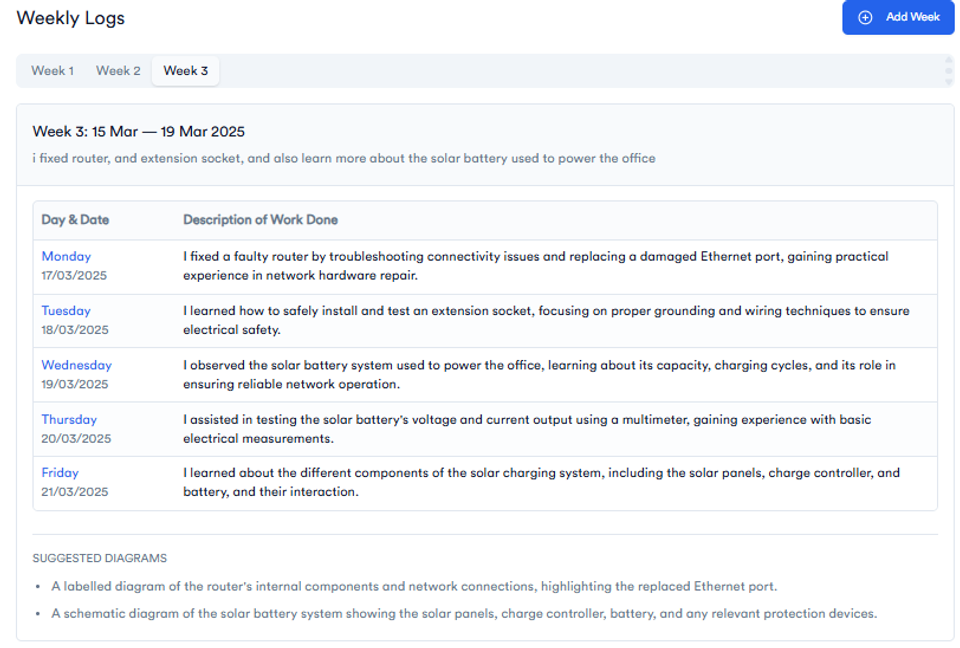
👉 Try It Free – Generate My Logbook Now
FAQs
How do I start my Estate Management SIWES logbook?
Begin with your personal details, department, organization name, supervisor’s name, and duration of attachment. Then record daily activities in clear, professional language.
What type of activities should I record?
Record activities related to property valuation, management, estate agency, tenant relations, documentation, and site inspections.
Is weekly supervisor signature compulsory?
Yes. Your supervisor must sign and stamp your logbook weekly to validate your activities.
Can I summarize repetitive tasks?
Yes. If tasks are similar, summarize them clearly while highlighting new skills or improvements gained.
What if my work is mostly field-based?
Document site inspections, property measurements, visits to planning offices, court attendance, and market data collection in detail.
About the Author
Mohammad-Jamiu B. Balogun, GMNSE
AI Security Researcher · Founder, MonoEd Africa
Mohammad-Jamiu is a First-Class Telecommunications Engineer and Best Graduating Student (BUK), and an AI security researcher. He founded MonoEd Africa to give Nigerian students AI-powered academic tools — from SIWES logbooks to final year projects. His work has reached over 10,000 students across Nigeria.